The last stretch of the climb always takes longer than it should. Then the path opens, a wooden terrace appears, and someone at the next table is eating something that smells of butter and melted cheese. You sit down. The menu arrives — laminated, typed in two languages, sometimes just chalked on a board above the counter — and half of it means nothing to you.
That is a good problem. Mountain-hut cooking is some of the most honest food in Europe: a short list, local ingredients, generous plates, no pretence. Here is what to order, what the words mean, and how to avoid ending up with three courses of dumplings and no room for dessert.
Hut menus are short for a reason. The kitchen is small, the season is short, and nobody hiking at altitude expects twelve mains to choose from. Most lists follow the same rhythm: something cold to start, a soup, a couple of dumpling or pasta dishes, polenta or a pan-fried potato dish, and one or two sweets.
First, check how the hut runs. Many busy huts near lift stations are self-service — look for Selbstbedienung or a tray stack by the door — which means you order at the counter and carry your own food. Smaller huts further up the valley usually have table service. If you are not sure, watch what the people in walking boots are doing.
A handful of terms come up again and again:
One more word worth knowing: Speck. It is smoked, cured pork from the region, and it turns up everywhere — on boards, inside dumplings, folded through potatoes, scattered over a salad you assumed was vegetarian.
None of these were invented for a menu. They are what huts actually cook, and they are what you should be eating when you have walked up a mountain to get there.
1. Brettljause (tagliere di speck e formaggi). Speck sliced thin, two or three mountain cheeses, pickles, horseradish and dark rye bread. Order one between two people as a starter, or as the whole meal if you are only stopping for twenty minutes. It is also the best way to taste the local cheese without committing to a cooked dish.
2. Barley soup (minestra d'orzo / Gerstensuppe). Barley simmered with root vegetables, sometimes with smoked pork or a spoon of cream stirred in at the end. In Trentino it often arrives thick enough to stand a spoon in. This is the dish to order when you are cold and damp; ask whether the base is meat stock if that matters to you.
3. Canederli (Knödel). Stale bread, milk, eggs and onion, rolled into balls roughly the size of a fist. In broth they are lighter than they sound; with melted butter and grated cheese they are not. Spinach and speck versions are common, and a portion is usually three — which is more than it sounds.
4. Spätzle. Small, irregular egg noodles scraped into boiling water. Käsespätzle layers them with mountain cheese and tops the lot with fried onions: the alpine answer to macaroni cheese, and just as filling. Some huts serve them with speck and chives instead.
5. Schlutzkrapfen (casunziei). Half-moon pasta filled with spinach and ricotta — or, in Val Badia, with beetroot — dressed with butter, poppy seeds and often a little parmesan. Order these if you want something less stodgy than dumplings but still unmistakably mountain food.
6. Polenta. Served soft and tipped onto a wooden board in the middle of the table. Polenta concia is enriched with butter and cheese; elsewhere it comes with mushrooms, sausage or a spoonful of game stew. Nothing on the menu fills you up faster.
7. Gulasch. Paprika stew, brought north from Hungary and now standard across the eastern Alps. In huts it usually arrives as a soup with a slice of bread, or as a small bowl beside polenta. It often looks unremarkable and tastes considerably better than that.
8. Gröstl (or rösti). Potatoes fried with onion and speck until the edges catch, then topped with a fried egg. Further west it becomes rösti — flatter, crisper, sometimes with cheese melted over the top. If you want a break from dumplings, this is the plate.
9. Kaiserschmarrn. A thick pancake torn into pieces and finished in the pan with butter, sugar and raisins, served with plum jam or apple sauce. It is meant for two, and asking for one spoon and two forks is completely normal. If you have room for one dessert on the whole trip, make it this one.
10. Strudel. Apple, or Topfen (curd cheese), wrapped in thin pastry and served warm with vanilla sauce, cream or ice cream. Denser and less sweet than the pastry-shop version, and better for it.
Alpine portions assume you have been walking uphill for three hours. They are not small, and the heaviest dishes are the ones people most want to try. A workable order for two hungry walkers looks like this:
If you are not sure about the size, ask for a small portion before you order rather than leaving half the plate. And keep in mind that the bill may include a small cover charge per person, which is normal in Italy and not a mistake.
Vegetarian eating in a mountain hut is easier than it used to be, but it is not automatic. Cheese dumplings, Käsespätzle, polenta with mushrooms, schlutzkrapfen and strudel are all safe bets. Watch for the details, though: soups are frequently made with meat stock, sautéed vegetables may be finished with speck, and some cheeses are made with animal rennet. Say what you need plainly and early — pointing at a phrasebook or a translation app is fine.
Gluten-free is harder. Dumplings, spätzle and pasta are all wheat-based, and gluten-free alternatives are rare up high. The safest choices are polenta, cheeses, cold cuts, grilled meat, egg dishes and salads, and it is worth asking whether a dish is dusted with flour before serving. For coeliac disease, carry your own bread.
Vegan options are limited: butter and cheese appear in almost everything. Polenta with a vegetable side, some soups and simple salads are usually the realistic choice.
For allergies, nuts turn up in some strudels and desserts, and nut oils are occasionally used in dressings. If your allergy is serious, have it written in Italian and German, show it to staff, and take professional advice before you travel rather than relying on a menu description.
Carry cash. Many high huts have no card machine, or a connection that gives up when the weather turns. Lunch service often ends mid-afternoon, after which you may be limited to cold plates and strudel. Tap water is not always served, so ask. And if the terrace is in shade and the wind has picked up, take the wooden room inside: the Stube is where the food is warmest, and where you will hear what everyone else is ordering.
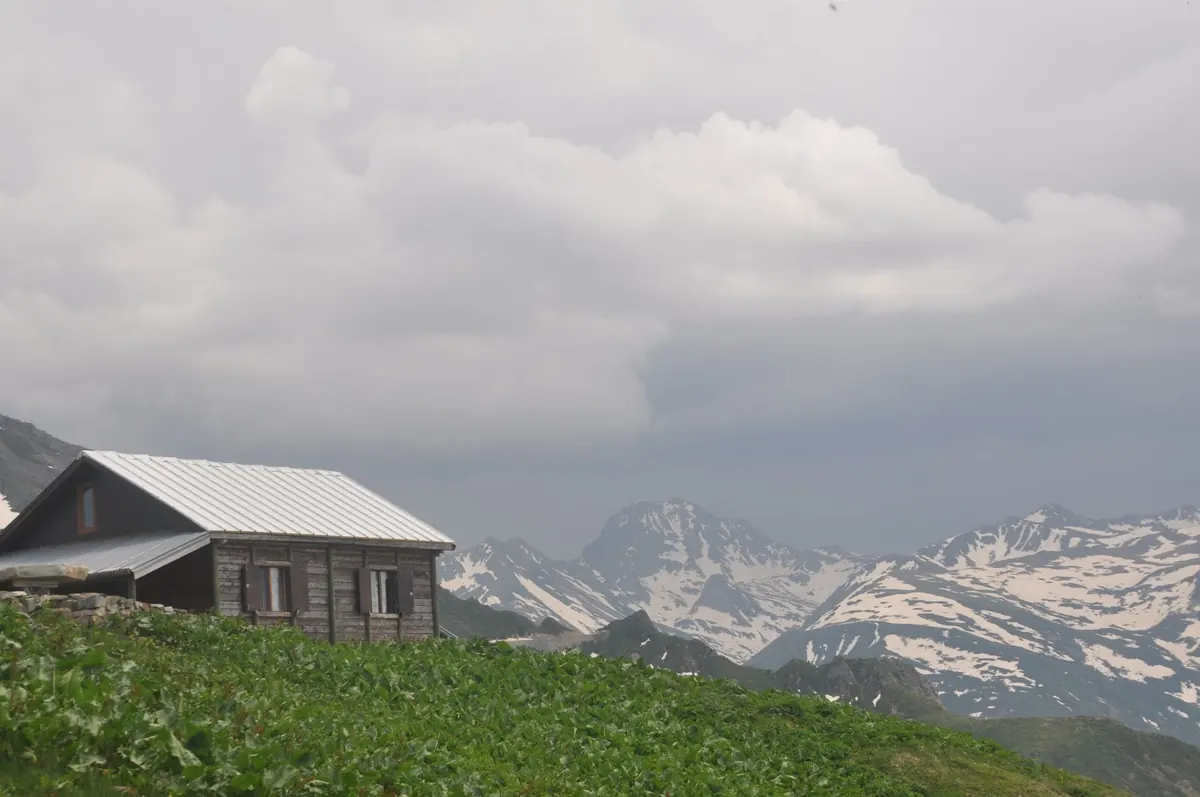
Photo: Ünal Karabiber / Pexels