There is a particular kind of cold that arrives on a platform at seven in the morning, when the train is late, the coffee kiosk is shuttered, and the only shelter is a perspex wall with a gap in it. Alpine train travel is mostly wonderful, but it asks you to be outside for short bursts at exactly the wrong moments: the five-minute change in a mountain village, the slow walk from a station to a hotel with a suitcase that suddenly weighs twice what it did at home. Packing well for this trip is less about surviving the mountain and more about surviving the transitions. Here is what earns its place in the bag.
The mistake most people make is packing for the summit rather than for the journey. A train carriage is warm, sometimes too warm, and heated stations are warmer still. If your only winter coat is a heavy down jacket, you will spend half of your trip carrying it over one arm.
Build from the skin out and think in terms of three working layers. A thin merino or synthetic base layer sits against the skin and manages sweat; cotton is the one fabric to leave at home, because it holds moisture and turns cold against you. A fleece or light wool mid-layer does the insulating, and it should be something you are happy to wear alone in a dining car. The outer layer is a waterproof shell with a hood, ideally roomy enough to go over the fleece without compressing it. If you run cold, add a light down or synthetic vest as a fourth option — it packs small and is the single most useful item on a glacier viewpoint.
Two base layers, one mid-layer, one shell. That is a week of travel if you wash one base layer in a sink and hang it overnight. Add one smarter top for dinner, something that does not look like it came off a ski lift.
Footwear is where winter train trips go wrong. You want boots that are genuinely waterproof, have a proper tread, and are comfortable enough to walk twenty minutes across a town with a backpack — not stiff mountaineering boots, which are miserable on pavements. Wear the heaviest pair on travel days rather than packing them, and put a pair of light shoes or slippers in your bag for the train and the hotel.
Microspikes or a simple strap-on traction device are worth the space if you plan to walk any path that has been compacted by feet or a piste basher. Pack them in a small cloth bag; they come back wet and gritty and you do not want that against your clothes. Add a folded plastic bag for the same reason.
Two more footnotes: pack blister plasters even if you never usually get blisters, and bring a spare pair of insoles if you have flat feet. Cold feet are usually damp feet, and a change of socks at the right moment fixes more than people expect.
A soft-sided roller bag with a sturdy handle and two wheels, or a wheeled duffel, is the most practical choice for this kind of trip. Four-wheeled spinners are lovely in airports and useless on a cobbled station forecourt with snow piled at the kerb. Whatever you take, it must be light enough to lift up a step or two by yourself, because not every regional platform is level and not every connection has a lift.
If you cannot carry your bag up a flight of stairs, it is too heavy for this trip. Aim to lift it comfortably with one hand. Check that your daypack can be strapped to the roller handle or worn on your front during the transfer walk. And leave a little empty space — you will want it for the cheese, the jar of honey, or the absurdly good wool scarf you buy on the second afternoon.
Inside the case, use packing cubes for order and a dry bag for anything that must stay dry: spare socks, a camera, a book. Wet gloves and a wet hat go in a separate mesh bag, never straight into the main compartment.
Assume at least one transfer will be tight. The fix is to keep a small daypack on your person — not in the luggage rack — containing everything you need for two hours without opening your suitcase: ticket or phone with the ticket, wallet, water, snacks, gloves, hat, a thin extra layer, and any medication.
For the walk between station and hotel, wear the daypack on your back and pull the roller behind you. If you are changing trains with a short connection, walk to the front of the train a few minutes before arrival so you are near the exit rather than behind forty people with skis.
Pack as if you will be standing on a cold platform for twenty minutes with one free hand. That single question settles most arguments about what to bring.
These are the items people forget, and they are the ones that carry the trip.
Add a small first-aid pouch: plasters, painkillers you know you tolerate, and anything personal. If you take regular medication, keep it in your daypack and carry it in its original labelled packaging; ask your pharmacist or doctor about what you need for the trip, especially if you are travelling abroad or to altitude.
Digital tickets are convenient until a phone dies in the cold. Screenshot every booking — train, hotel, ski pass, transfer — and keep them in one offline album. Carry one physical card as a backup to mobile payment, and note that some small mountain businesses still prefer cash, so keep a modest amount in local currency.
If you are travelling with rail passes or discount cards, keep them in the same pocket every time you put them down. Check the conditions of your ticket before you travel, since rules on reservations and refunds vary by operator and country.
Lay out tomorrow's clothes in the order you will put them on, charge everything, fill the flask with hot water so it is warm for coffee in the morning, and put the boots by the door. Then repack the daypack and check that the tickets are on your phone and on paper.
One last thing worth the small effort: write a short list of what you wish you had brought, and keep it in your phone for the next trip. Alpine travel rewards the person who learns their own habits — the extra pair of gloves, the second hat, the folding bag for the return journey. Pack for the platform, the transfer and the long warm carriage, and the mountain will take care of itself.
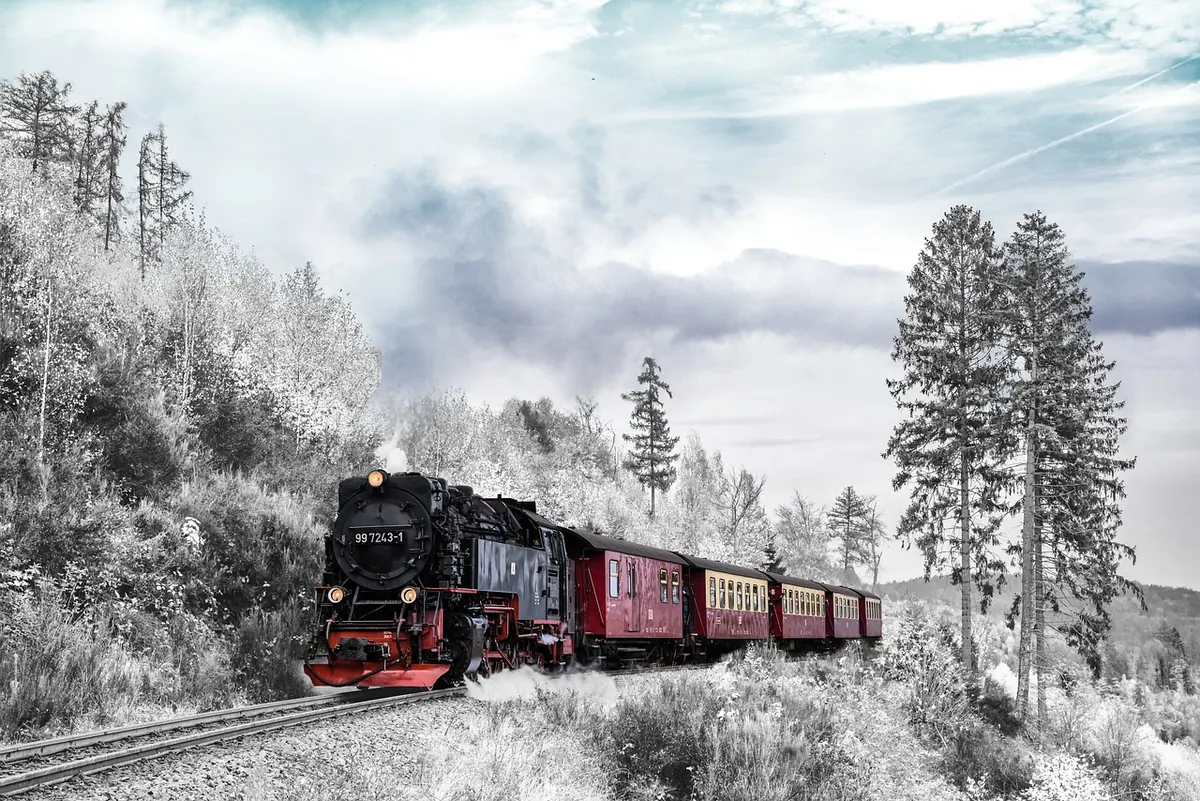
Photo: anncapictures / Pixabay