By the time March arrives, the Alps have usually had their best weeks and their worst weather, sometimes in the same fortnight. What is left is a different kind of skiing: softer snow, longer days, empty chairs and a sun that suddenly has teeth. Some skiers fall for it immediately and never book January again. Others arrive expecting mid-winter and spend the first morning puzzled by ice at the top and slush at the bottom. The gap between a superb late-season trip and a frustrating one is mostly planning: knowing which resorts hold their snow, which lifts stop running, and how to read the daily freeze-thaw cycle.
Overnight, clear skies pull heat out of the surface and the piste sets hard, sometimes genuinely boilerplate on wind-scoured ridges. As the sun climbs, the top few centimetres soften into something smooth and forgiving. By mid-afternoon, especially on south-facing slopes and low runs, it turns wet, heavy and leg-tiring.
That cycle is the whole game. A slope that is hateful at eight in the morning can be perfect at eleven and hard work at three. Two factors speed it up: sun and altitude. South- and west-facing slopes soften first; north-facing ones stay cold far longer and are where you want to be on a warm afternoon. Runs dropping to the valley floor turn to porridge while the top station is still firm underfoot.
Wax matters more than in January — cold wax on warm, wet snow feels like skiing with the handbrake on. Wider skis help in the afternoon slush. And keep an eye on the snowline: in a warm spring, the bottom few hundred metres of a resort can lose cover entirely, which turns a ski-in/ski-out apartment into a short walk with your boots on the pavement.
The instinct to be first on the mountain is wrong in April. First lifts often mean skating across ice. A better rhythm looks like this:
If your skis are squeaking across the cat track at nine, you are not late. You are early.
Lunch is worth rethinking too. A long sit in the sun at 13:00 costs you the best hour of the day. Eat late, ski through the soft window, and finish with a coffee when the snow has given up.
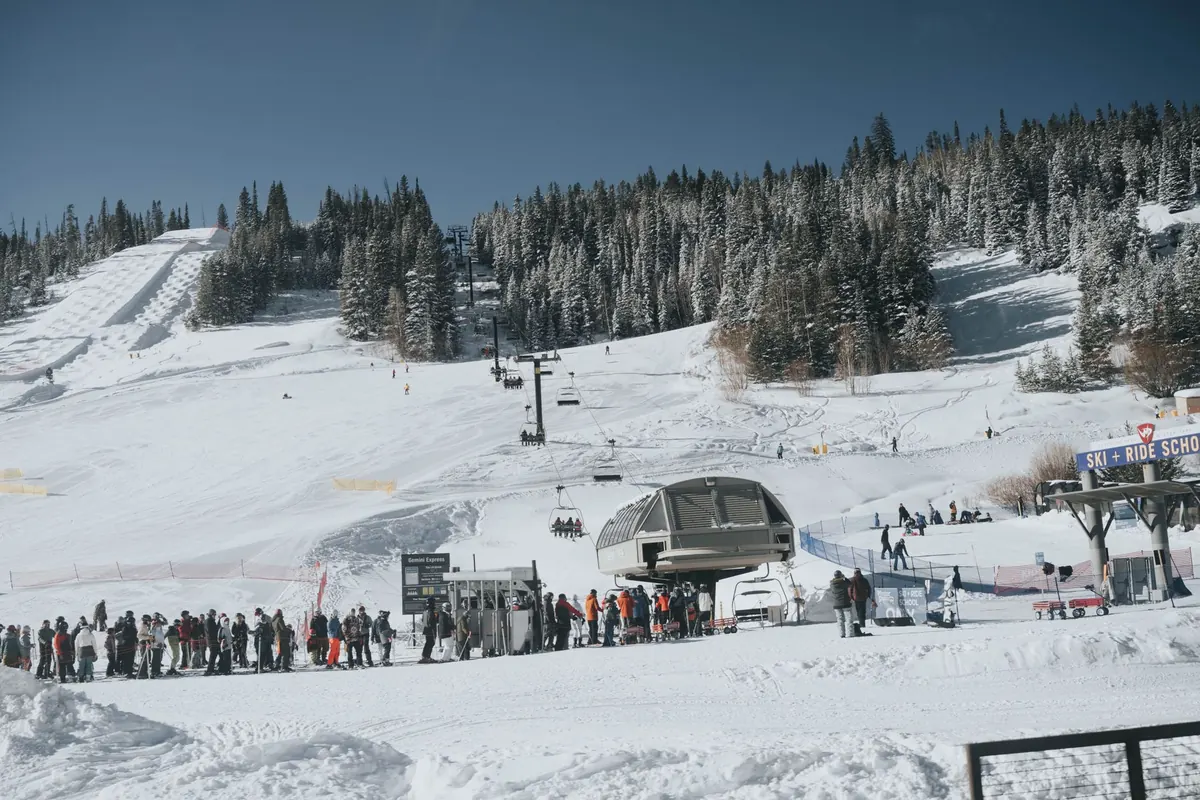
Late season is when resort infrastructure starts to fold up. Closing dates vary enormously — some valley resorts shut in early April, mid-altitude French and Austrian areas often run to late April, and the high glacier areas keep going into May or through the summer. The trap is the resort that is technically open but no longer connected: the link lift to the neighbouring valley runs only at weekends, or the run home has been closed and you are downloading in a gondola every afternoon.
Check the lift company's own website for closing dates, not a booking site. Look specifically at whether the high-altitude sectors are still linked to the village, whether any lifts are on reduced hours, and whether the resort's snow report mentions walking sections. A resort with a 3,000-metre top station and a 1,500-metre base can be excellent at the top and finished at the bottom in the same week.
Also worth knowing: late-season grooming is sometimes reduced as teams move to maintenance, so first-thing pistes may be less polished than in February.
UV intensity rises sharply with altitude, and snow reflects a large share of it back at your face. Add a warm afternoon and people shed layers, gloves and sometimes goggles — and burn in places they never normally burn: under the nose, the earlobes, the backs of the hands, the strip of forehead above the goggle line.
Practical habits: high-factor sunscreen applied before you leave the apartment and reapplied at lunch, a lip balm with sun protection, goggles with category 3 or 4 lenses for bright spring days rather than the flat-light lens you use in storms, and a thin neck tube that covers the underside of your chin. Drink more than feels necessary; dry alpine air plus sun dehydrates quietly. If you have a skin condition, take medication that affects photosensitivity, or any concern about your eyes, speak to a pharmacist or doctor before you travel — this is general advice, not medical guidance.
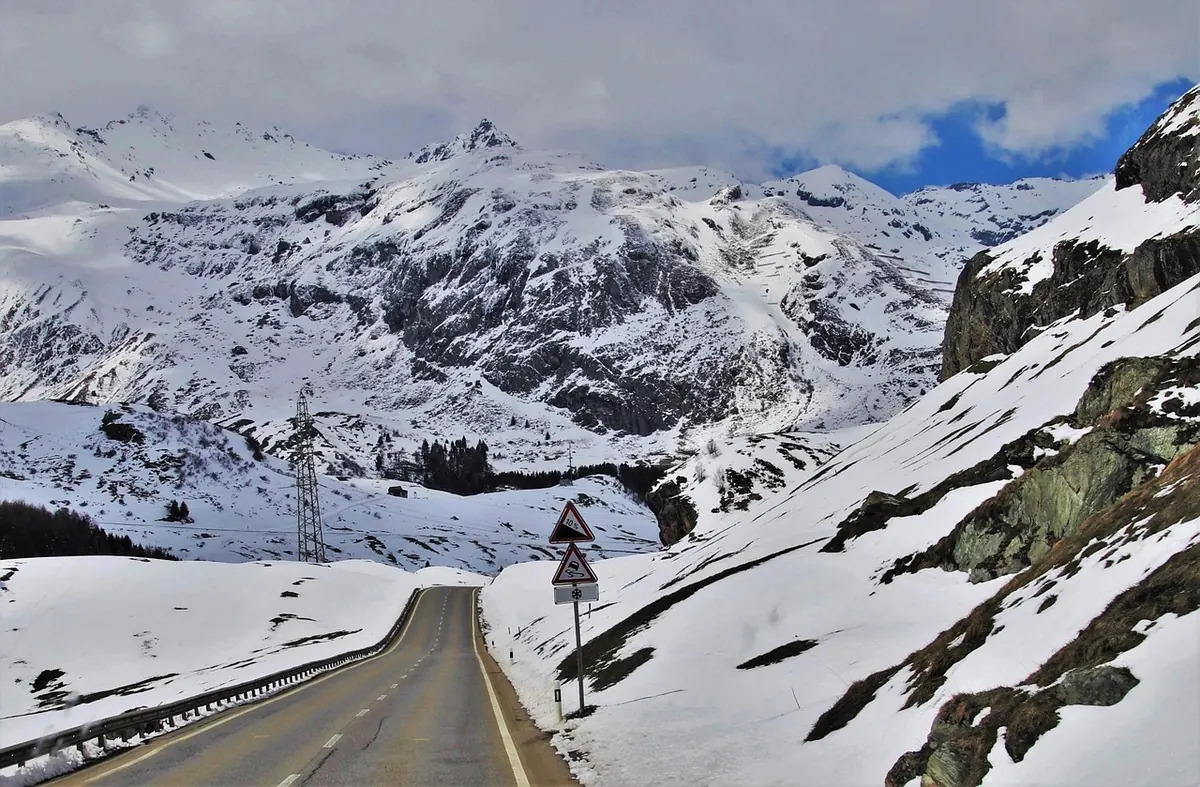
Broadly, three things protect a resort in April: altitude, aspect and glacier terrain. High, north-facing ski areas with a top station well above 2,500 metres tend to keep good cover and a cold snow surface long after neighbours have shut.
Some names that reliably carry late season: Tignes and Val Thorens in France, Val d'Isère, and the upper Grands Montets sector above Chamonix. In Switzerland, Zermatt and Saas-Fee. In Italy, Cervinia, which shares its snow with Zermatt and stays high throughout. In Austria, the glacier areas at Hintertux and Stubai, plus Sölden, Ischgl and Obergurgl-Hochgurgl. None of these is guaranteed — a hot, dust-stained spring can undo the best geography — but they give you a much better chance than a low resort with lovely village charm.
Once the main national school holidays are behind you, accommodation availability opens up and rates usually soften, particularly midweek and in the final weeks of the season. Self-catered apartments and smaller hotels are often more flexible about short stays than they are at half-term.
The trade-off is unpredictability. Easter moves each year and different countries break at different times, so a quiet week in one calendar can be a busy one in the next. If you are chasing both price and conditions, book late and stay flexible on destination rather than fixed on a resort — a car and a two-hour radius gives you options when the snowline sits higher than expected. Some resorts also sell discounted spring passes for the final stretch, so compare the lift company's own offers before buying through an agency.
Late-season skiing rewards people who adapt. Ski the mountain in the order the sun tells you to, keep your plans loose, and treat a long lunch on a sunny terrace as part of the sport rather than a failure of ambition.
Photo: Quang Vuong / Pexels